

The Independence flag
On August 24, 1991, a flag of an unusual size and color was destined to become the main witness to the proclamation of Ukraine’s independence.
In 2026, UKRAINE WOW and the Come Back Alive Foundation, with the support of the Verkhovna Rada of Ukraine, recreated the legendary flag.
100% of donations will go toward purchasing unmanned ground vehicles for the Defense Forces of Ukraine.
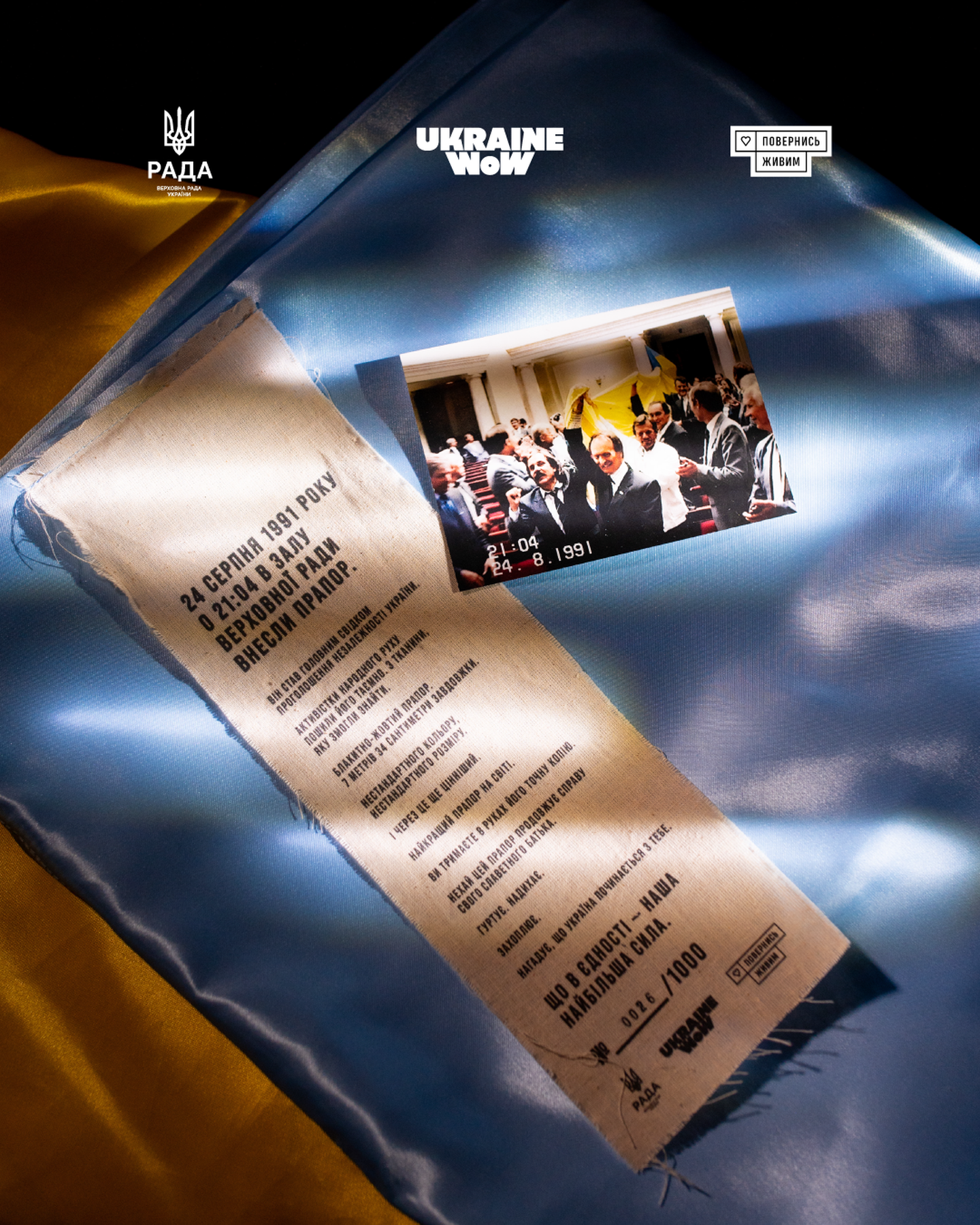
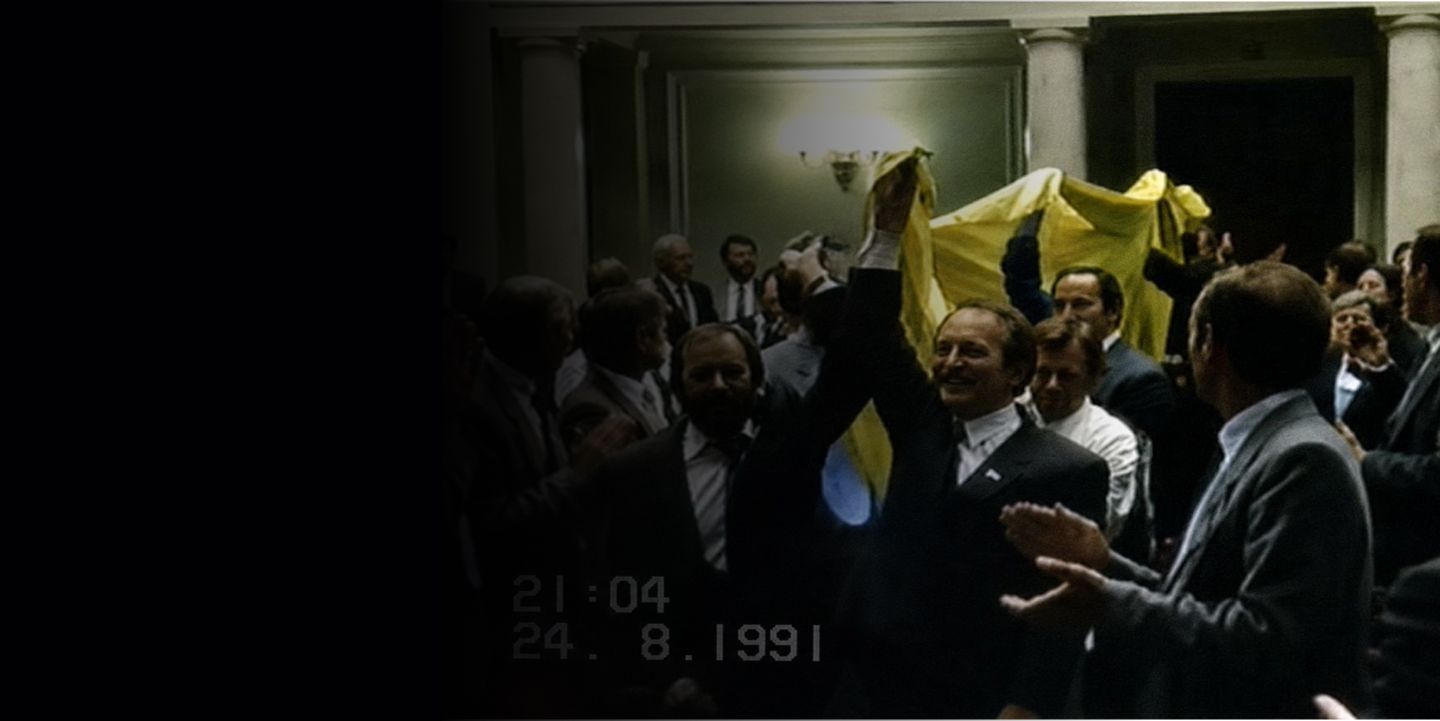
On August 24, 1991, at 9:04 p.m., a flag was carried into the chamber of the Verkhovna Rada — a flag that became the main witness to the proclamation of Ukraine’s independence.
Since that morning, nearly 100,000 demonstrators had gathered in the square in front of parliament to demand this. Throughout the day, they held a secretly sewn flag — one that was unusual in both its size and color.
Today, it is hard to imagine that getting fabric in the right colors was nearly impossible: Soviet security services had removed it from stores, while the KGB persecuted people for displaying the flag.
And yet, the blue-and-yellow flag, 7.34m long, made it all the way to the walls of parliament. Soon afterward, it was handed over to a group of members of parliament. They unfurled the flag, raised it above their heads, and carried it into the chamber of the Verkhovna Rada. The archival footage of that moment is instantly recognizable to Ukrainians.
That day, the flag was destined to become the defining flag of an independent Ukraine. To become a source of pride, a relic, and a priceless symbol of the struggle for freedom.
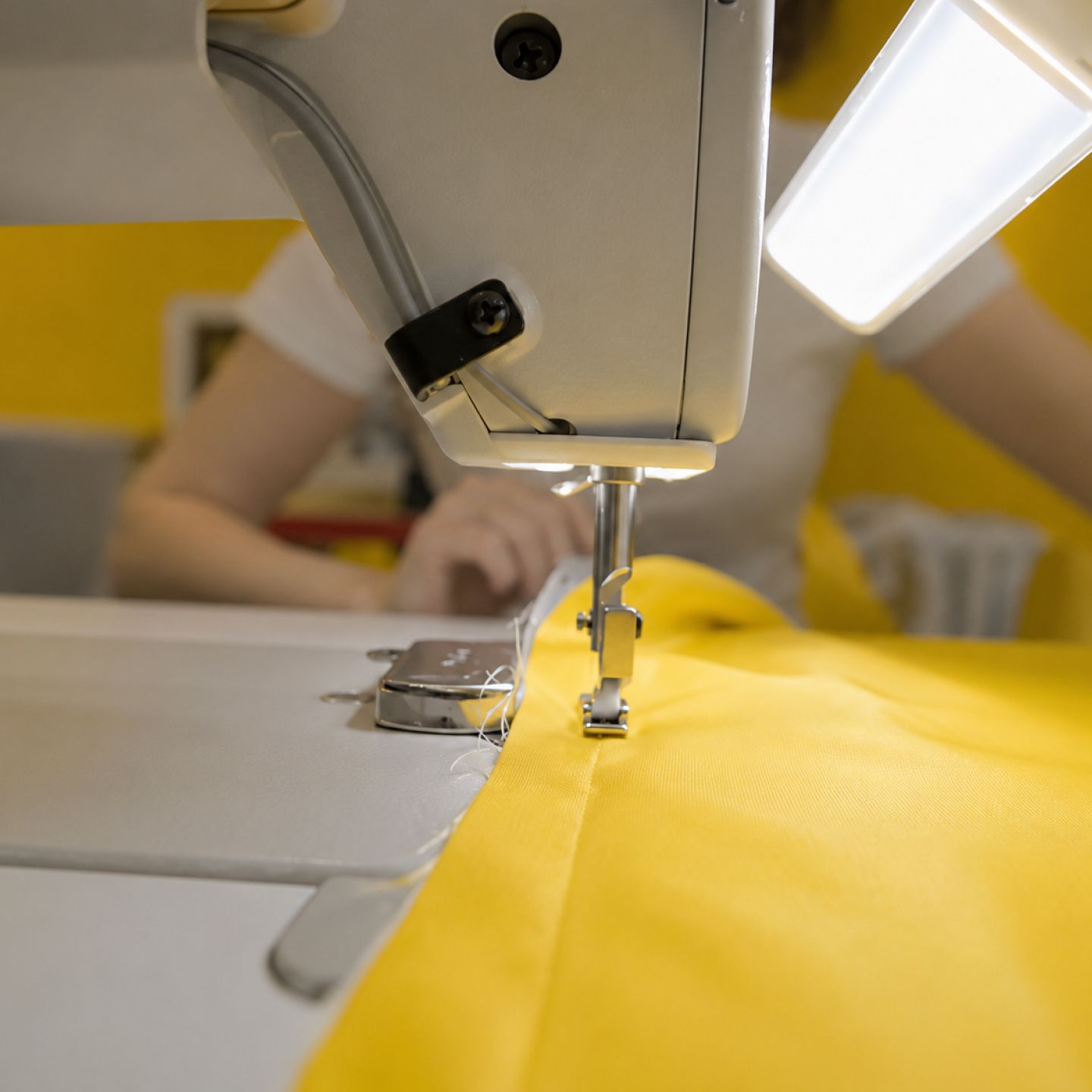
35 years later, we have recreated the legendary flag.
Not to repeat history. But to carry it forward.
So that you can hold this flag in your hands.
Wherever it may be, it will do what it did 35 years ago: unite.
It will remind us that Ukraine begins with you.
And that our greatest strength lies in unity.


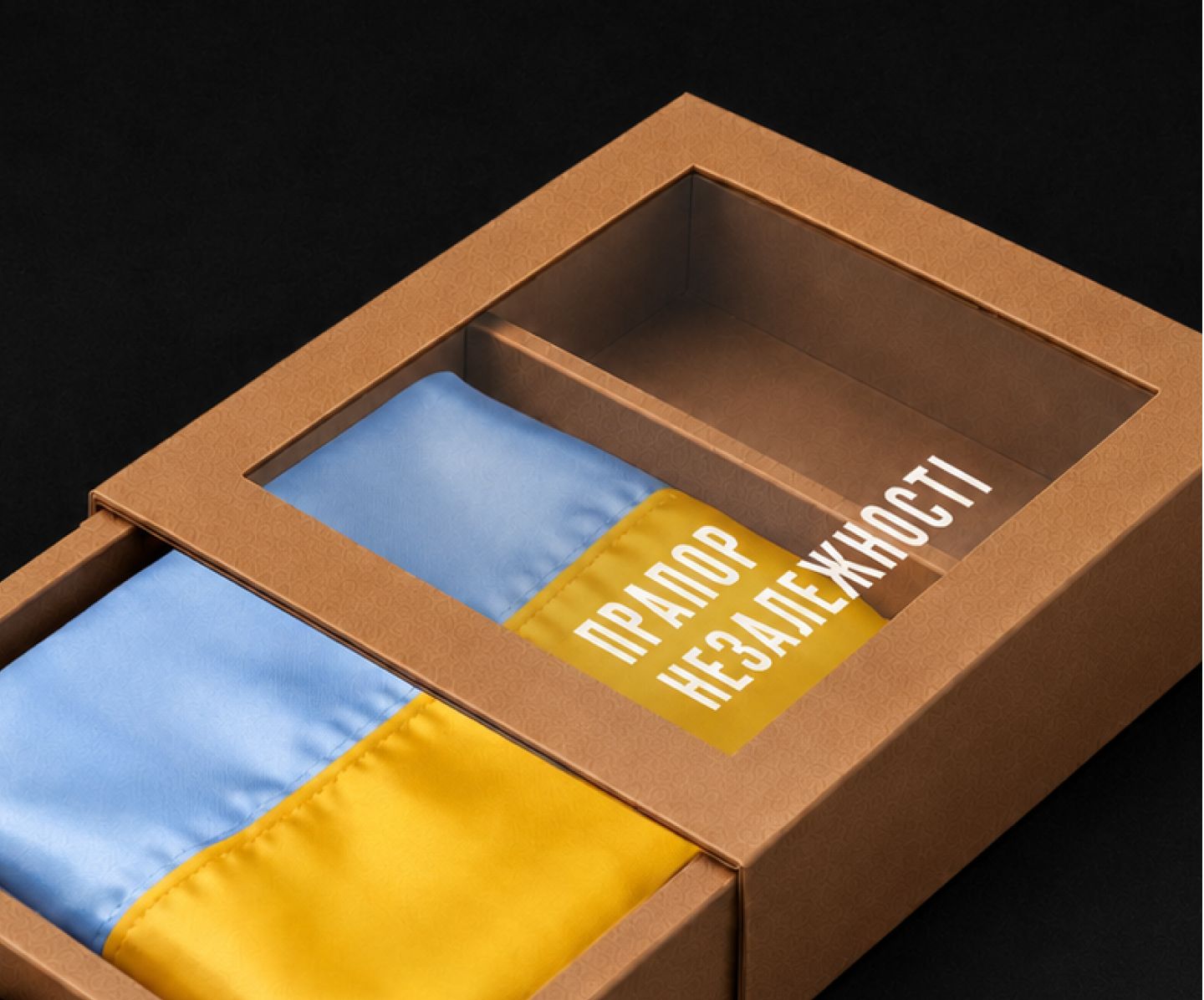
The Independence Flag is available in a limited edition of 1,000.
The flag costs 40,000 UAH.
100% of donations go to the Defence Forces of Ukraine.
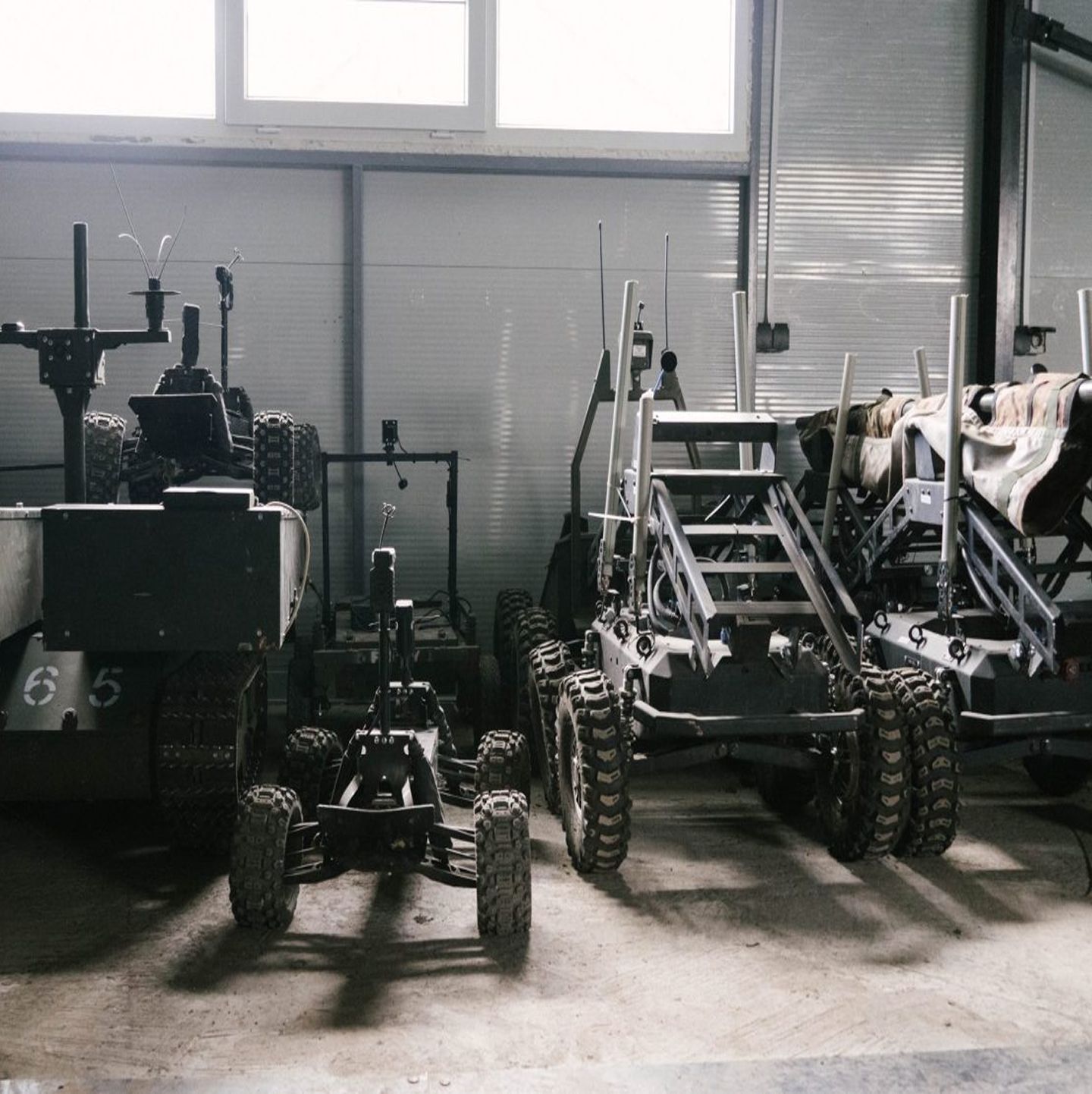
This project aims to raise funds for unmanned ground vehicles (UGVs) that evacuate the wounded and deliver medicine, food, ammunition, and other essential supplies to the most dangerous areas of the front line.
Today, anything that moves within a radius of more than 20 kilometers from the front line is under constant threat of drone strikes. Tasks that used to be performed by drivers, medics, and service members are increasingly carried out by unmanned ground vehicles — remotely and without putting human lives at risk.
The front line requires 7,000–10,000 NRKs each month. They are needed on all fronts where there is a threat of attacks by FPV drones and mid-range strikes.